The Dark Side of Fast Fashion: How Cheap Clothes Cost the Earth
July 18, 2025
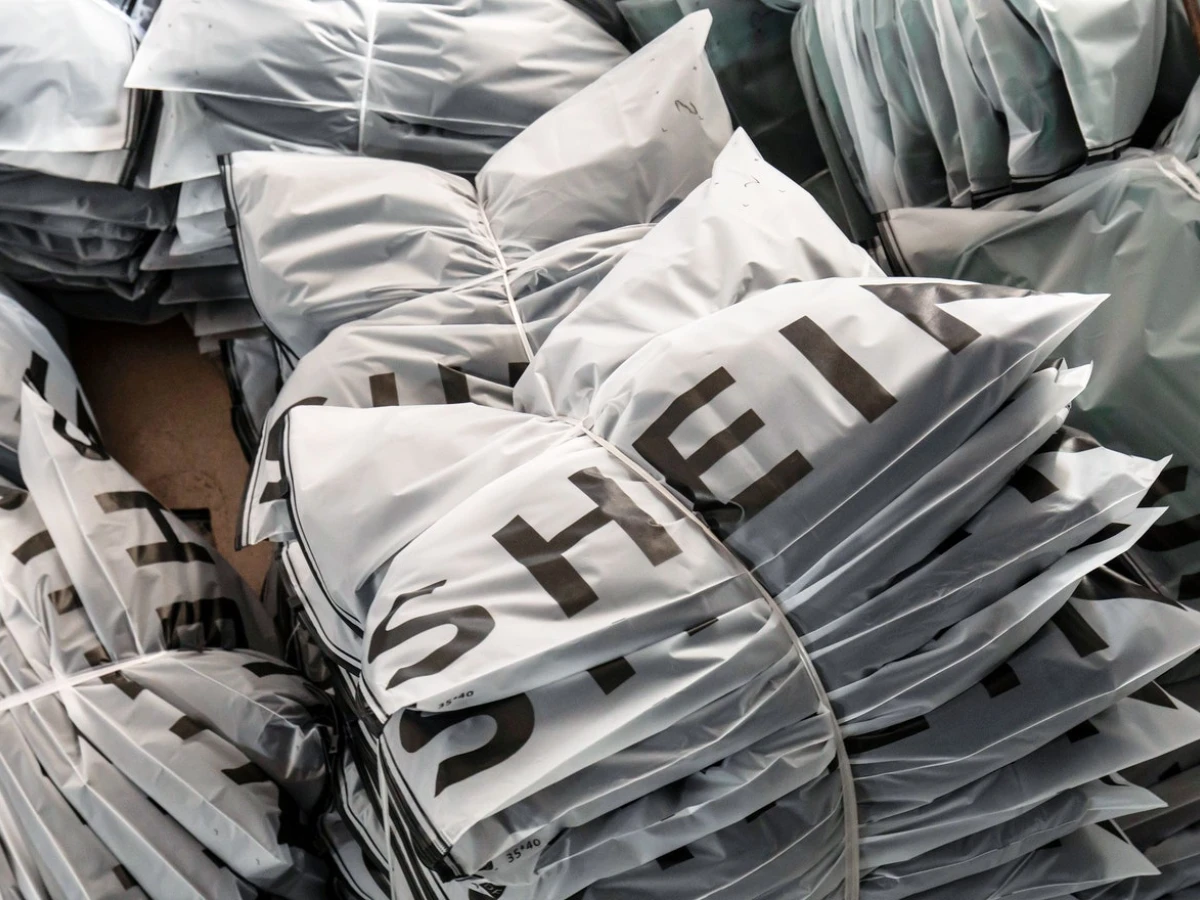
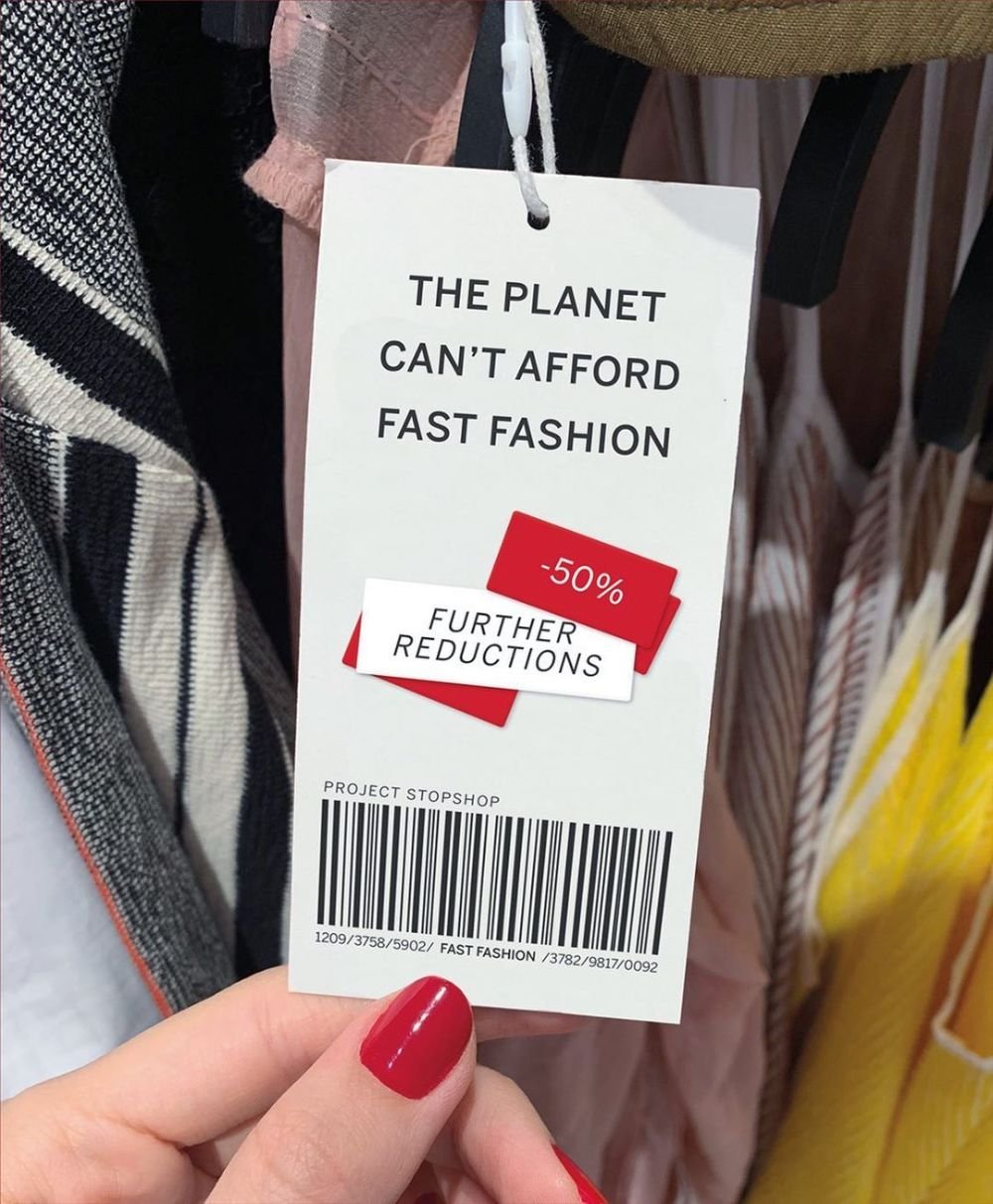
Fast fashion is everywhere. It’s that trendy RM15 top from Shein or the buy-one-get-one-free dress hanging in a mall display. It feels like a win — stylish, cheap, and easy. But here’s the catch: that same shirt might have cost someone their health, their safety, or even their life.
While fast fashion keeps wardrobes full and prices low, the real cost is paid by exploited garment workers and a planet stretched to its limits. Behind the polished storefronts and massive online sales lie polluted rivers, overflowing landfills and thousands of invisible hands working in silence.
What is Fast Fashion?
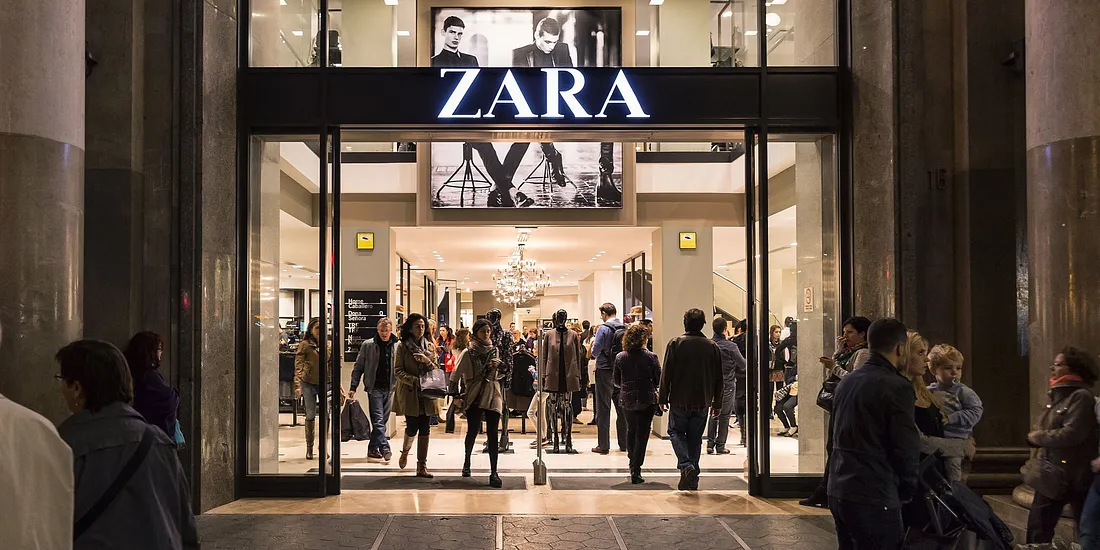
Fast fashion is a term that describes the rapid production of low-cost, trendy clothing that mimics runway styles. Retail giants such as Zara, H&M, and Shein dominate this industry by releasing new collections weekly or even daily, encouraging constant consumption and disposability (Maiti, 2025).
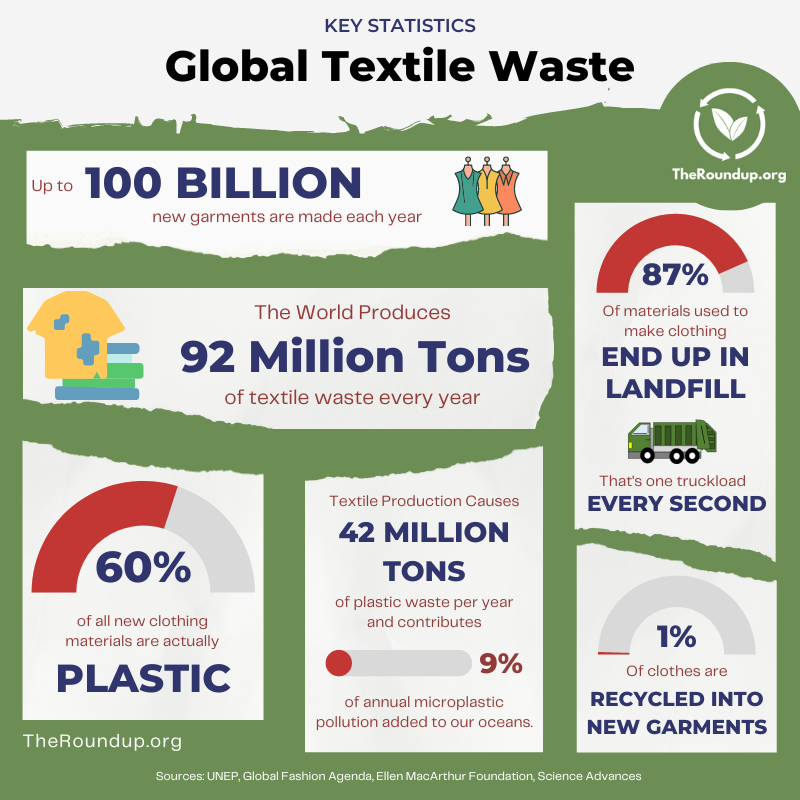
What many consumers don’t realise, however, is the devastating environmental and human toll that lies behind the bargain prices. The fashion industry is now one of the most polluting industries in the world, accounting for 10% of global carbon emissions, more than the combined output of international aviation and shipping (Maiti, 2025; UPenn EII, 2024). Even worse, about 92 million tonnes of clothing end up in landfills each year, and only 1% of used clothing is recycled into new garments (Earth.Org, 2023).
This article explores the environmental and human consequences of fast fashion, and more importantly, how you as the consumer can be part of the solution to embrace a more sustainable future.
The Environmental Impact of Fast Fashion
Pollution from Production: Water, Toxic Dyes, and Microfibers
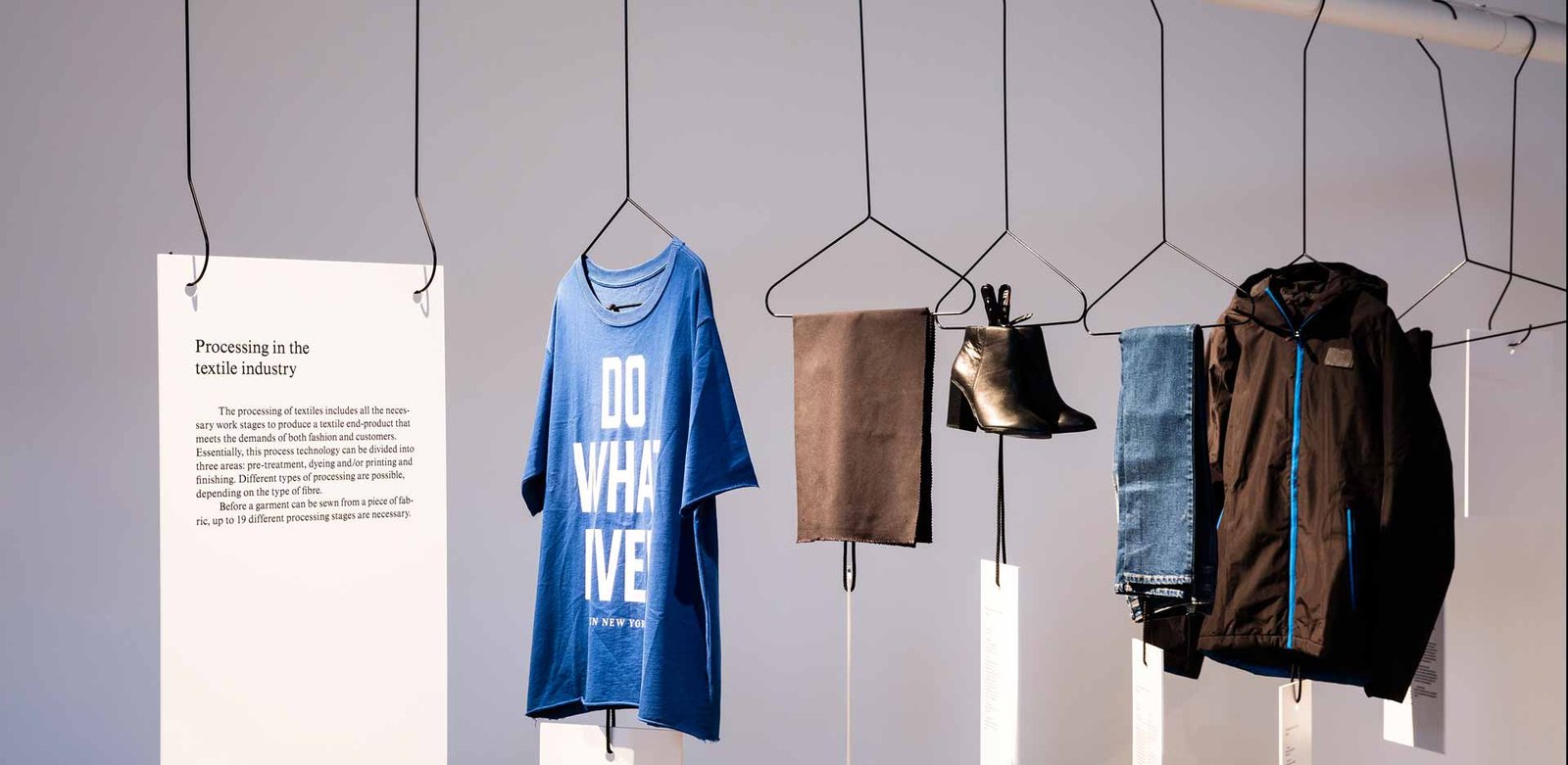
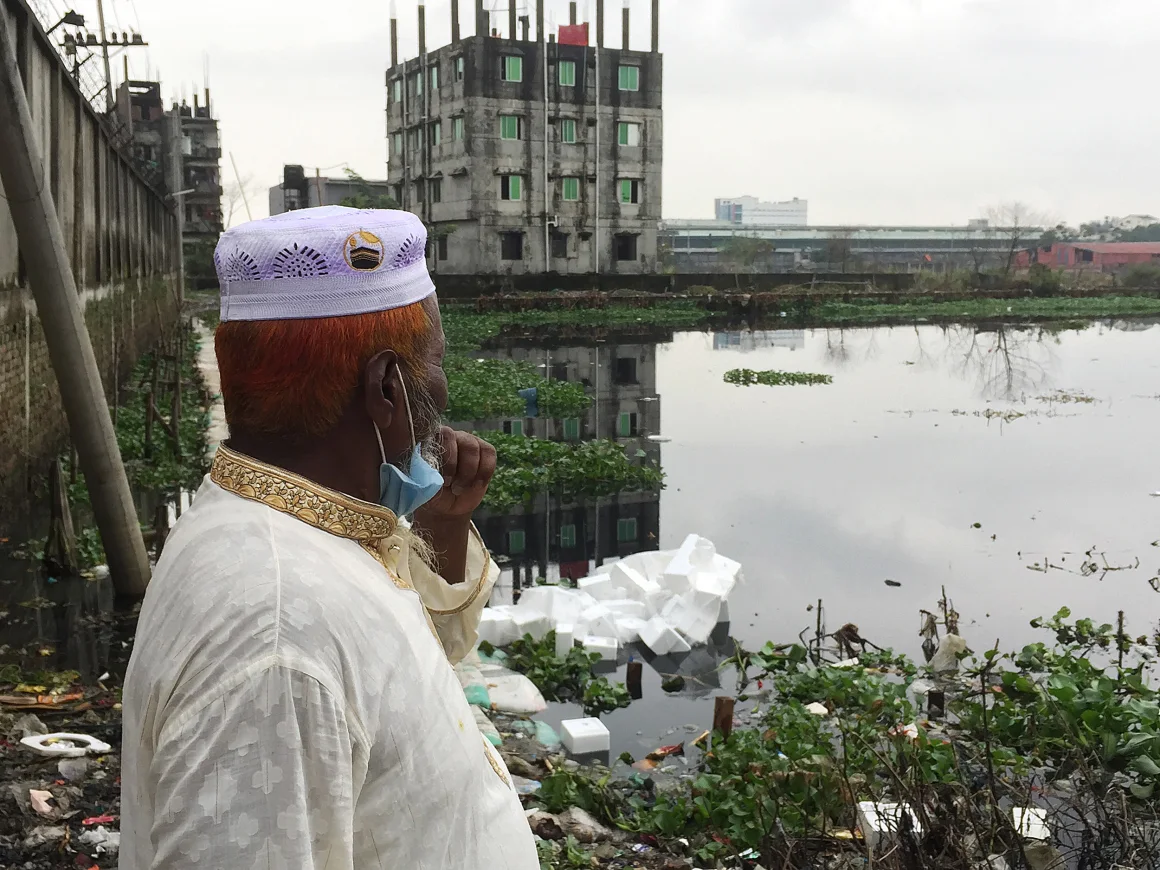
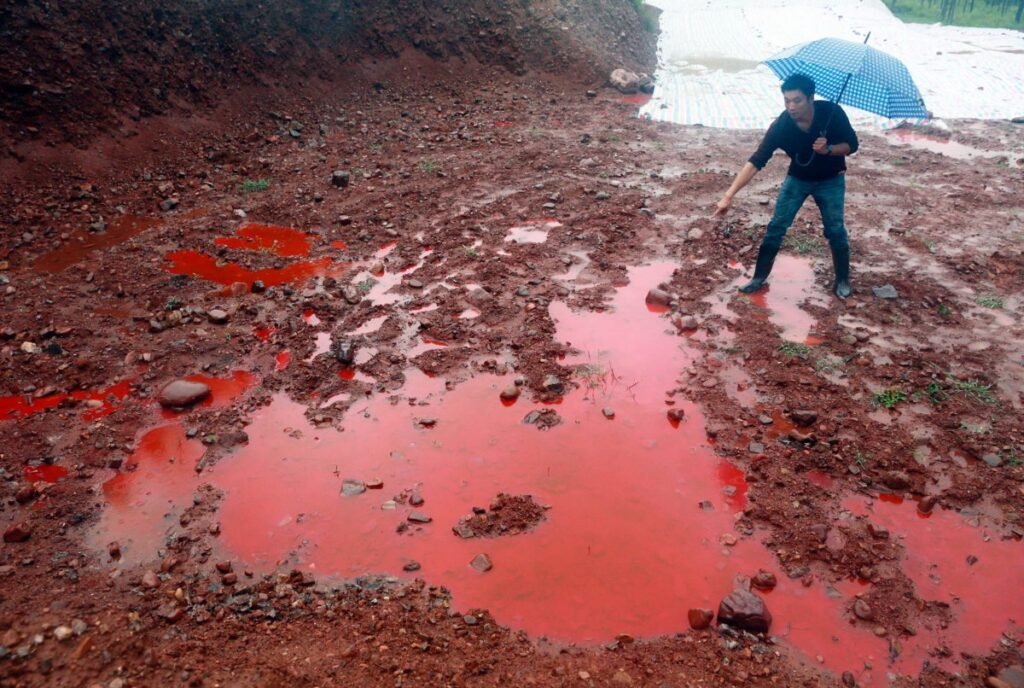
The fast fashion industry is water-intensive and chemically driven. According to the United Nations Environment Programme (UNEP), fashion consumes about 93 billion cubic metres of water per year, equivalent to the annual consumption of five million people. Textile dyeing is the second-largest water polluter globally, contributing to 20% of industrial water pollution (UNEP, 2023). Rivers in countries like Bangladesh and India often run blue or black due to unregulated dye discharge. Washing synthetic clothes like polyester also contributes to microplastic pollution. A single load of laundry can release up to 700,000 microfibers into waterways, which ultimately end up in oceans and harm marine life (UNEP, 2023).
The Role of Polyester and Synthetic Fabrics in Pollution
Polyester, a synthetic fabric derived from petroleum, dominates fast fashion because it’s cheap and quick to produce. But it comes at a heavy environmental cost. Producing polyester emits nearly three times more carbon dioxide than cotton (UNEP, 2021), contributing significantly to global warming.
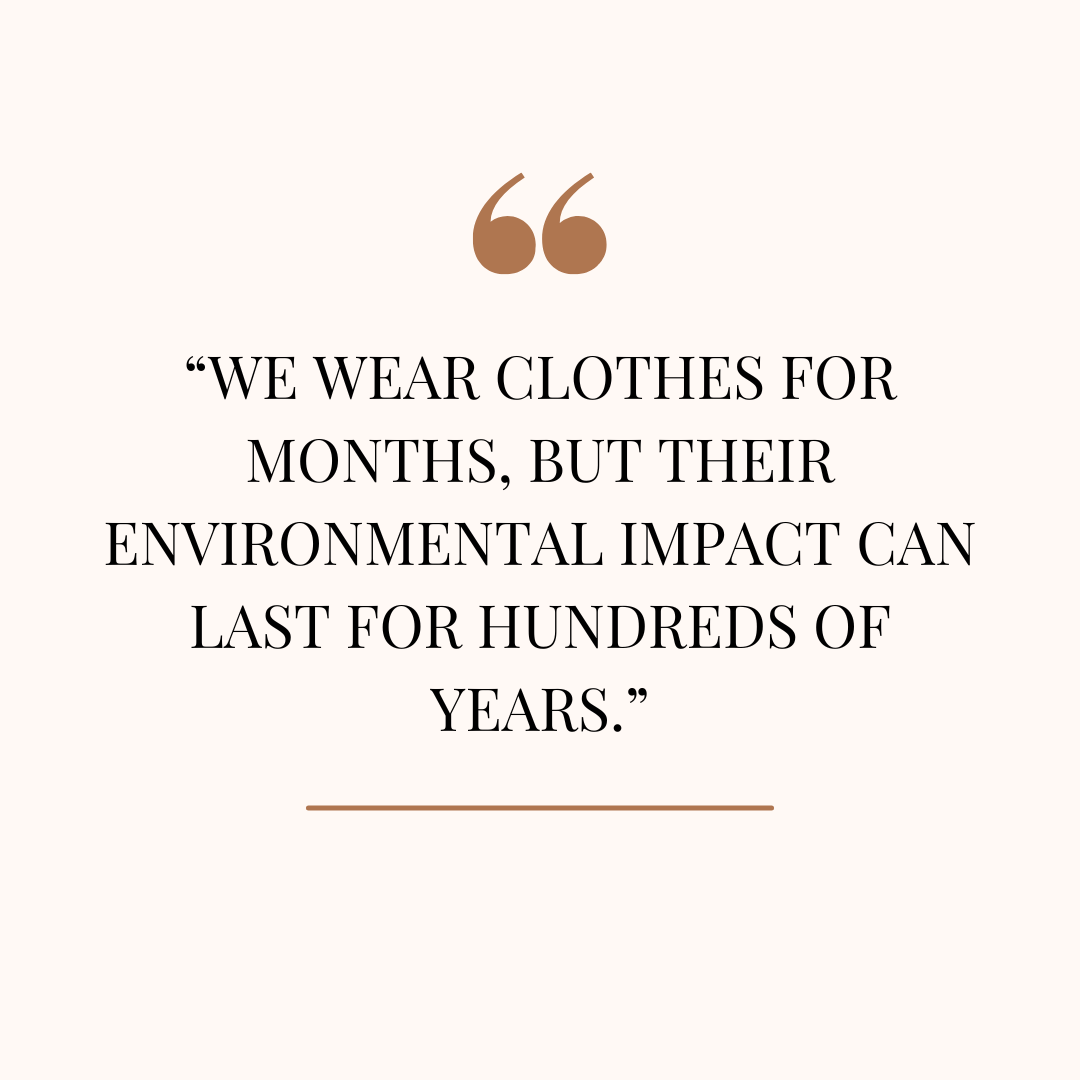
Today, around 60% of clothing is made from synthetic fibres, which are not biodegradable (Earth.Org, 2023). This means garments made from polyester, nylon, or acrylic could remain in landfills for centuries. Plus, these fabrics continue to pollute throughout their life cycle, from oil extraction to manufacturing to microplastic pollution when washed.
Massive Textile Waste: Why Most Clothes End Up in Landfills
Fast fashion encourages a culture of overconsumption. New collections are released weekly, and trends are designed to fade quickly.
As a result, 92 million tonnes of clothing are discarded globally each year which is enough to fill a garbage truck every second (UNEP, 2023). Despite growing awareness, most textiles are still not recycled. 87% of all fibre input ends up incinerated or landfilled, and only 1% is recycled back into clothing (UNEP, 2023; Ellen MacArthur Foundation).
If this pace continues, fashion waste is projected to hit 134 million tonnes per year by 2030 (Earth.Org, 2023). This waste crisis also affects countries like Malaysia, where unwanted clothes often end up in illegal dumps or are exported to poorer nations, burdening their waste systems and polluting their environments.
The Human Cost You Don't See
Fast fashion’s footprint isn’t just environmental but it’s deeply human too. The reason clothes can be sold so cheaply is because someone, somewhere, is paying the price.
Garment workers in many developing countries earn well below living wages. Some make less than US$3 a day, working shifts that last 12 to 16 hours with barely any breaks (Fashion Revolution, 2020). Many are young women, some are children, and most of them work in unsafe conditions without legal protection, health benefits, or the right to form unions (Walk Free, 2024).
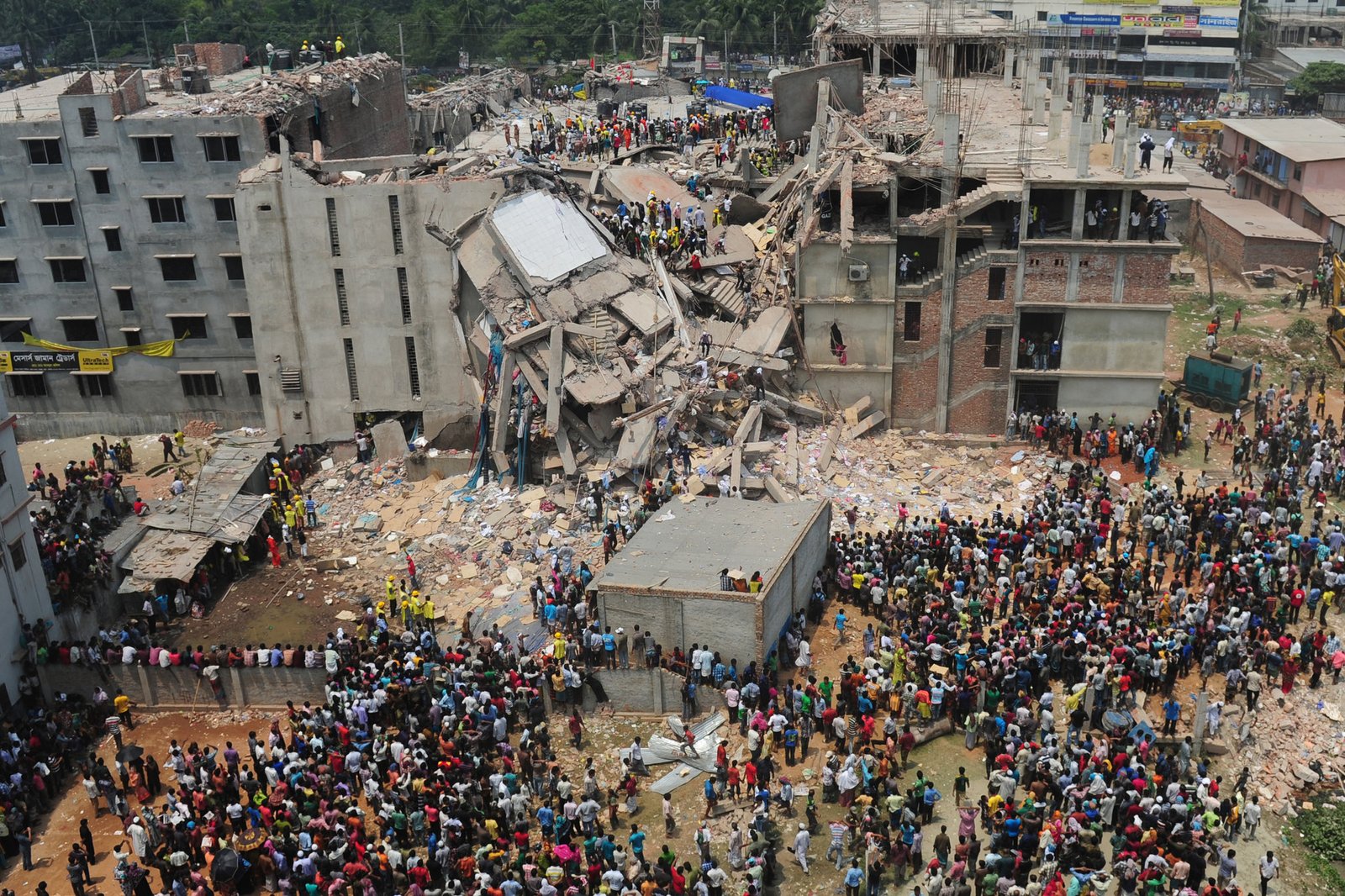
In April 2013, the world got a brutal wake-up call. The Rana Plaza building in Bangladesh, which housed several garment factories, collapsed due to ignored safety warnings. Over 1,100 workers died and more than 2,500 were injured, all because factory owners refused to stop production to protect profits. This wasn’t a freak accident. It was the predictable result of an industry built on speed, volume, and disregard for worker welfare (Fashion Revolution, 2020).
“Over 1,000 men and women, with families, hopes and dreams just like us, lost their lives while making our clothes.” — Fashion Revolution, 2023
Sadly, such tragedies aren’t rare. In India, investigations have uncovered cases of child labour in cotton mills producing fabric for major international brands. These children are often trapped in dangerous environments with little hope of escape or education (Walk Free, 2024).
So the next time you see a T-shirt that costs less than a meal, ask yourself: how is that even possible?
What Can Be Done?
Change doesn’t have to be overwhelming. One of the most powerful things we can do as consumers is to slow down — and choose better.
Slow fashion is a growing movement that focuses on producing high-quality, timeless clothing using sustainable materials and ethical labour. Brands like Patagonia and People Tree are leading examples of companies that pay fair wages, support artisans, and prioritise the environment (Fashion Revolution, 2023). Even in Malaysia, more local brands are embracing eco-conscious practices and transparency. For example, The Swap Project encourages clothing swaps as an alternative to buying new, helping reduce textile waste while ANAABU also believes fashion shouldn’t cost the earth — that’s why they create thoughtfully made pieces with less waste, fewer chemicals, and a lighter carbon footprint.
But beyond choosing better brands, we can also shift our habits. You don’t need to throw away your entire closet to make a difference. Start by buying less. Ask yourself if you’ll wear that piece more than 30 times. Choose secondhand whenever possible — thrift stores, swapping with friends, or online platforms like Carousell can give clothes a second life. Mend what’s broken, repurpose old pieces, and recycle responsibly. Right now, only one percent of clothes are recycled into new items. Increasing that number starts with us.
Every choice matters. When enough people change their habits, industries start to listen.
Be the Change — Choose Better Fashion
Fast fashion may give us cheap, trendy clothes but it also gives us polluted rivers, overflowing landfills, and workers who risk their lives for our outfits.
It’s easy to ignore the impact when we don’t see it firsthand. But now that you know the truth, you have the power to choose differently. The next time you’re tempted by a flash sale or a RM10 top, pause.
Ask yourself: who made this? What’s it made of ? And what will happen to it when I’m done?
Because behind every price tag is a story and it’s time we start paying attention.